
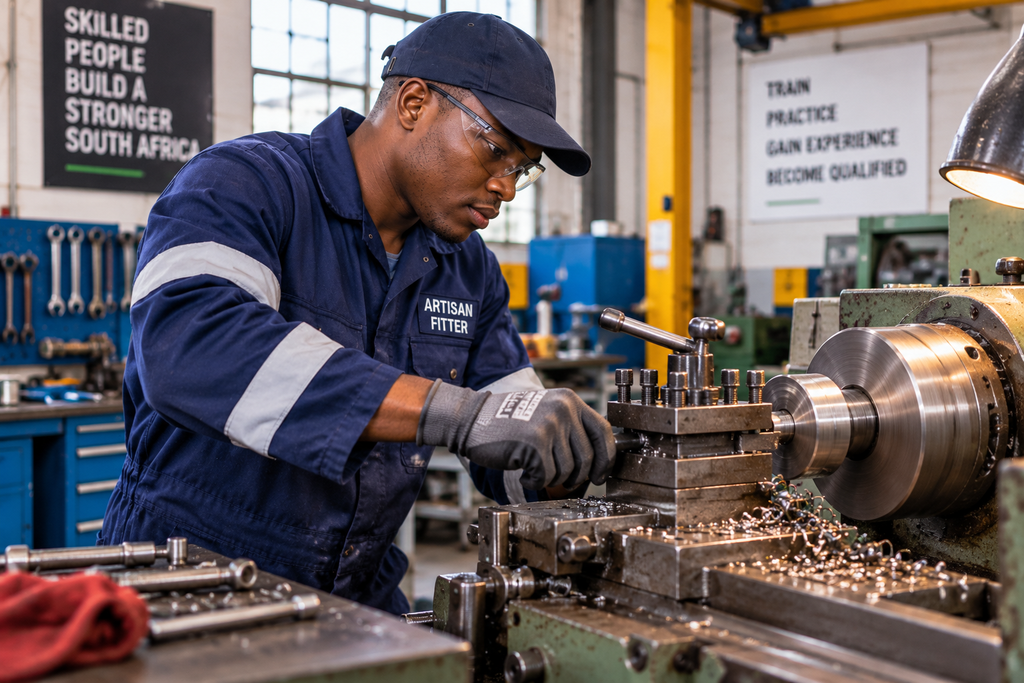
Apprentice Fitter Salary: What Does an Apprentice Fitter Earn?
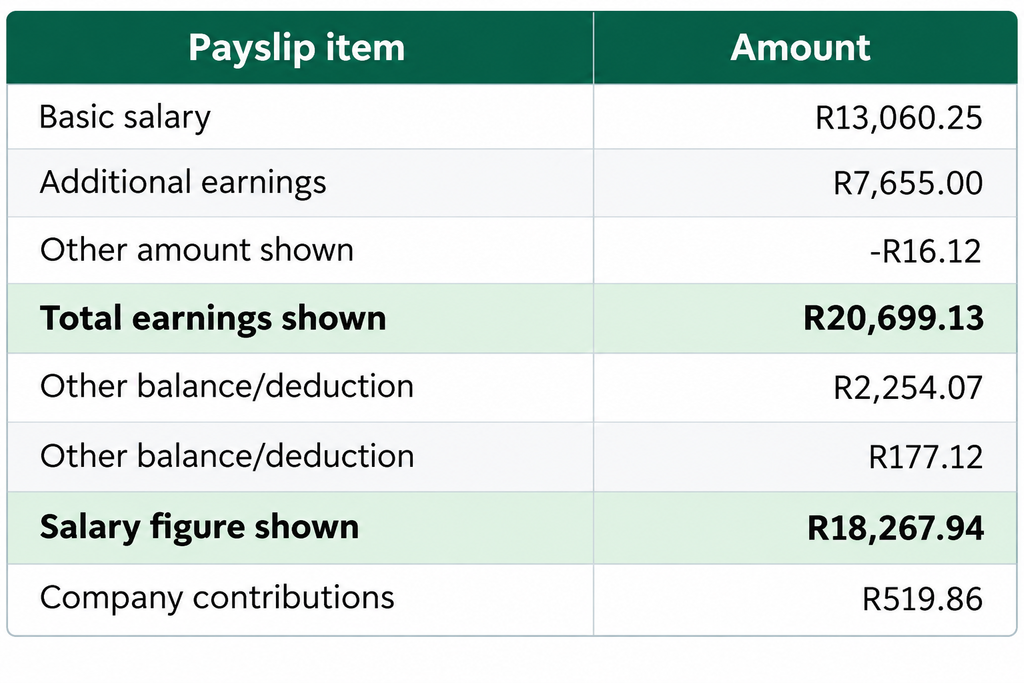
A payslip shared with Life Reset with Boni provides a real-world look at what an apprentice fitter working towards an artisan qualification can earn. According to the payslip, the document shows R20,699.13 in total earnings, while a separate salary figure of R18,267.94 is also displayed. Because payslips can contain different earnings, deductions, and contribution categories, these figures should not automatically be interpreted as the employee’s basic monthly salary.
Apprentice Fitter Salary Breakdown
What Does an Apprentice Fitter Do?
An apprentice fitter is typically undergoing practical workplace training while working towards becoming a qualified artisan.
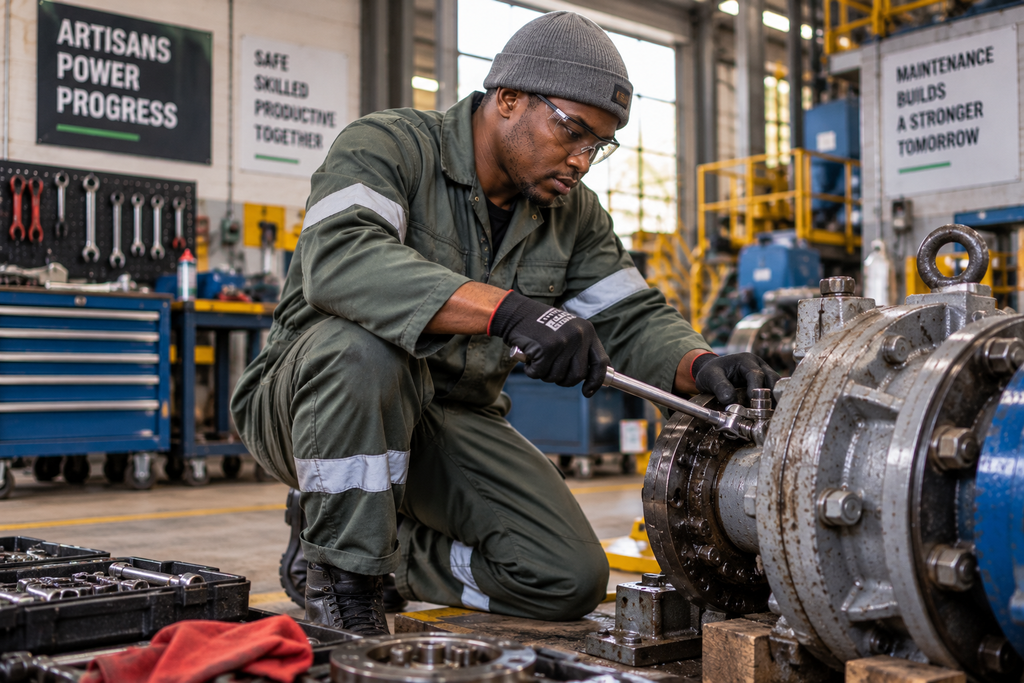
Fitters work with machinery, mechanical components, and industrial equipment. Depending on the workplace and training programme, an apprentice may gain experience in areas such as installation, maintenance, repairs, fitting, and troubleshooting.
An apprenticeship is therefore both a training pathway and a route into skilled technical work.
How Much Can an Apprentice Fitter Earn?
This payslip demonstrates why it is difficult to give one universal salary figure for apprentices.
The amount an apprentice receives can vary depending on:
- The employer
- The apprenticeship or training programme
- The apprentice’s level of training
- Industry
- Allowances and additional earnings
- Overtime or other payments
- Deductions and benefits
In this particular payslip, the basic salary is R13,060.25, while additional earnings of R7,655.00 bring the total earnings shown to R20,699.13.
This means that someone researching apprenticeship salaries should look beyond the headline figure and examine what is actually included in the payslip.
Trade or Degree? Which one is better?
Going to university is not the only route to a successful career. For some young South Africans, a trade can provide a practical pathway into skilled work while combining technical training with workplace experience. A degree is essential for certain professions, while trades such as fitting, electrical work, welding, and boilermaking offer different career opportunities.
The choice between a degree and a trade should depend on your interests, strengths, and career goals. If you enjoy practical problem-solving and working with machinery, an artisan career may be worth considering alongside traditional university options.
How to become an artisan in South Africa?
Interested in becoming an artisan yourself? An apprentice fitter is one of the pathways into a skilled trade. Our guide, How to become an artisan in South Africa?, explains the different routes into artisan careers, including choosing a trade, getting technical training through a TVET college, gaining workplace experience through an apprenticeship, and eventually completing the trade test. If you’re considering a career as an artisan, read the full guide to understand the steps, training options, and trade-test process in South Africa.
Where to study?
The first place to look is the public TVET college system. DHET maintains an official list of public TVET colleges and their campuses. Examples include:
KwaZulu-Natal
- Coastal TVET College
- Elangeni TVET College
- Esayidi TVET College
- Majuba TVET College
- Mnambithi TVET College
- Mthashana TVET College
- Thekwini TVET College
- Umfolozi TVET College
- Umgungundlovu TVET College
There are also public TVET colleges across Gauteng, the Eastern Cape, the Western Cape, Limpopo, Mpumalanga, the North West, Free State, and the Northern Cape. Find the full list here.
The important thing is to check whether the specific campus offers the trade or occupational programme you want. Not every college offers every trade.
You can email boni@liferesetwithboni.com to submit your payslip with the following details: years of experience, qualifications, industry and the job title.
Written by Admin